How to Pack Your House for a Smooth Move
If you’re facing an upcoming move—whether local or long-distance—it can be easy to overlook how important proper packing is. As the move-in date approaches, many haphazardly throw belongings in boxes just to meet deadlines. However, this lack of planning can easily lead to forgotten or even broken items.
Luckily, taking the time to carefully pack your house in the weeks leading up to your move not only reduces stress, but also sets you up for success in your new home. In this blog, we’ll discuss the most effective ways to pack your house, so you can enjoy the smoothest possible move.
Luckily, taking the time to carefully pack your house in the weeks leading up to your move not only reduces stress, but also sets you up for success in your new home. In this blog, we’ll discuss the most effective ways to pack your house, so you can enjoy the smoothest possible move.
1. Add a Packing Timeline To Your Moving Checklist
Preparing a digital or physical folder that outlines a packing timeline can help you stay on track during the process. While the exact amount of time you need for each packing step will depend on several factors, including where you’re moving to, how far away it is, and how many belongings you have, here is a general guideline to follow:
- 2–3 Months Before: This is the time to buy packing materials and research packing methods, as well as how you should handle fragile or hazardous items. Start thinking about the items you won’t need right away, as these can be packed first.
- 1–2 Months Before: Begin decluttering your current home and packing off-season or rarely used items—holiday decorations, books, or extra linens.
- 2–3 Weeks Before: Start packing room by room, including clothing, pantry items, and everyday dishes. You can save yourself extra headaches later by preparing a separate “essentials” box for your first week in the new home.
- 1 Week Before: Finish packing rooms, leaving out only essential daily-use items. This is also the time to disassemble furniture if needed, and wrap large or fragile pieces.
- Move-In Day: Do a final sweep around the house, checking closets, cabinets, basements, and crawl spaces. You should also consider how to organize boxes for the moving truck.
2. List Any Day-One or Travel Items You'll Need
Packing a box of day-one essentials or setting aside travel necessities requires knowing what exactly you need. Luckily, you can avoid forgotten items by adding a list to your moving checklist:
- Toiletries: Toothbrush, toothpaste, soap, shampoo, deodorant, toilet paper, and towels.
- Clothing: A few outfits, including sleepwear, underwear, and weather-appropriate outerwear.
- Medications: Prescriptions, pain relievers, allergy meds, and a small first-aid kit.
- Electronics: Your phone or laptop and any associated power cords.
- Important documents: IDs, moving contracts, housing paperwork, and insurance details.
- Snacks and drinks: A few non-perishable snacks and drinks for the road.
And anything else you’ll need! What’s essential for you will largely depend on your travel distance, accommodations, and the state of your new home.
3. Invest In High-Quality Packing Supplies
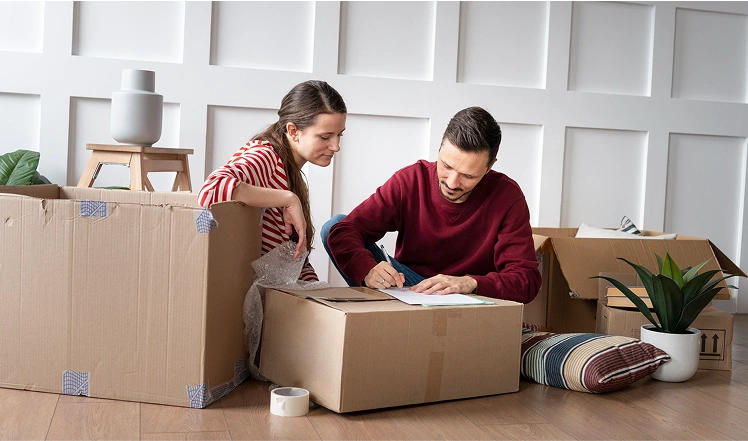
Before you dive into decluttering and packing up your original home, you’ll need to invest in high-quality packing supplies. What exactly you’ll need depends on your belongings, but here are a few must-haves:
- Sturdy boxes of different sizes
- Large garbage bags
- Packing tape
- Bubble wrap, packing paper, packing peanuts, or even blankets
- Bungee cords
- Handcart or dolly
- Markers for labeling
Moving on a budget? Consider looking into local retailer and moving company policies for access to free moving boxes. You can also rent handcarts and other tools for transporting heavy loads.
4. Downsize and Declutter Your Current Home
As you clean and prepare to leave your home, take the opportunity to set aside anything you don’t need. Sorting items into four groups—keep, donate, sell, or toss—can help you save money by limiting what’s packed. Plus, you can even make money through yard sales and online listings.
Here are some helpful tips for decluttering before you pack:
- Start early, giving yourself at least a few weeks to go through each room.
- Use the 12-month rule to determine whether you should toss something you haven’t used in a while.
- Donate items to local charities or thrift stores like Goodwill or Habitat for Humanity ReStore.
- List valuables or furniture online using Facebook Marketplace, Craigslist, or OfferUp.
- Host a garage sale to clear out many different items as quickly as possible.
- Properly dispose of hazardous materials like paint, chemicals, or old electronics through local waste facilities.
- Avoid packing duplicates to cut down on clutter and the packing supplies needed. After all, do you really need that many mugs?
5. Start Packing One Room at a Time
Now that you’ve determined the items you actually want to keep, you can start with an efficient, well-organized packing process. Packing room by room is one of the best methods, as it keeps relevant, similar items together and allows you to prioritize items in less essential rooms first. For example:
- Start with storage areas, including your basement, attic, or garage, as these areas often hold seasonal or rarely-used belongings.
- Tackle guest rooms, gaming rooms, or minimally-used home offices next, as these areas rarely hold items that will impact your daily routine.
- Leave high-use areas for last, including the kitchen, bathrooms, and bedrooms that you or your kids sleep in.
- Cluster boxes of each room together so you can methodically relocate and unpack them later.
6. Label Boxes By Room and Priority
While packing room by room already helps with organization, you can further set yourself up for a hassle-free moving experience by effectively labeling boxes. After all, how are you supposed to know that a box has kitchen items if it isn’t labelled “kitchen”.
For the easiest and most streamlined experience, we recommend a twofold approach, sorting items by both type and priority. Type is easy enough, as you can choose whatever label is most identifiable to you or your moving company (kitchen, books, pet supplies, etc.). As for priority, the system below works well for many movers:
- Priority 1 (Red): Anything you need to use the first day/night you move in.
- Priority 2 (Yellow): Items that should be unpacked and ready for use within the first week.
- Priority 3 (Green): Non-essentials that can wait as you settle into your new home.
7. Disassemble Furniture Before Moving Day
Roughly a week from your move-in date, it’s a good idea to start disassembling bulky furniture that won’t fit through hallways or doorways, or is too heavy to carry. However, keep in mind that proper disassembly is a careful process, and requires:
- Setting aside and labelling a separate box for the parts of a specific furniture piece.
- Taking photos of the furniture before and during different disassembly steps to make the reassembly process easier later on.
- Putting all small hardware and parts—such as screws and bolds—in a sealable and labelled plastic bag. Then label and tape the bag to the furniture pieces or box you set aside.
- Use tape or zip ties to bundle loose parts together, such as bed slats or table legs.
- Place any tools you need for reassembly in the furniture or essentials box for quick access upon arrival.
8. Cushion Fragile Items and Furniture
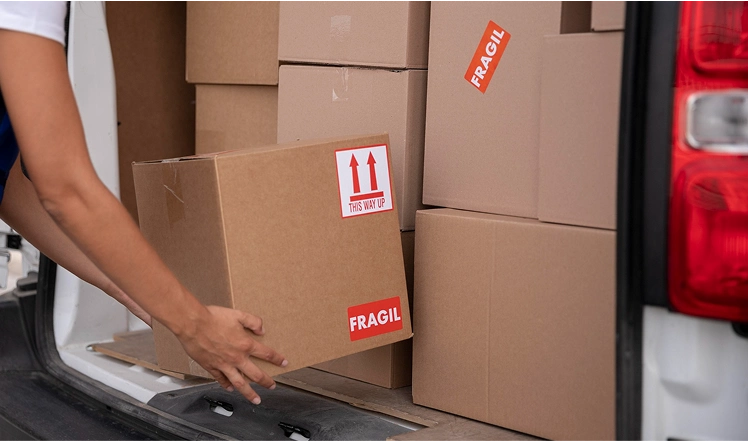
Any item that could get damaged during the moving process, including bulky furniture and small, fragile belongings, should be properly cushioned. After all, you bought bubble wrap or packing peanuts for a reason. Here are some tips for various common household items, and be sure to label the boxes you store them in as “fragile” for both yourself and any professional movers you’re working with:
- Glassware: Wrap pieces individually with bubble wrap or packing paper and place them vertically. Fill gaps with dividers, crumpled paper, or packing peanuts.
- Plates: Stack vertically with towels, bubble wrap, or foam sheets as cushioning at the bottom, top, and between each plate.
- Artwork: Wrap the piece in plastic wrap and use corner protectors for frames. Avoid stacking artwork if possible.
- Electronics: After removing batteries and disconnecting cables, carefully wrap items in anti-static bubble wrap.
- Mirrors: Use cardboard corner protectors and wrap with bubble wrap, then place carefully-marked boxes that can be kept upright during transport.
- Bulky Furniture: Utilize blankets, foam padding, or stretch wrap to protect wood finishes and upholstery. Remove or pad sharp corners and fragile legs.
- Musical Instruments: Use the associated hard case if available, but if not, you can also thoroughly wrap with bubble wrap and store in a sturdy box.
To find a reliable company with short-notice availability, start by checking online reviews, asking for referrals, or using moving platforms that allow you to compare companies quickly. Search terms like “same-day movers” or “emergency moving services near me” can help you narrow the list. Be upfront about your timeline and confirm availability before moving forward.
When speaking with potential movers, ask:
- Do you handle last-minute or same-day moves?
- What is your pricing for short-notice service?
- Are packing services included, or is that extra?
- Are there additional fees for weekend or evening moves?
Expect that some flexibility will be required—availability may be limited, and you may need to work with whatever time slots are open. Still, the trade-off is often worth it for the convenience and relief that comes with having professionals take charge of the heavy lifting.
9. Consider Weight Distribution When Packing and Stacking Boxes
Every item you own has a different weight—with book-filled boxes being far heavier than a box of blankets. With that in mind, you should always consider the type of box you use and where you’ll stack it based on weight. Heavier items like books and ceramics should go in sturdy boxes at the bottom of the stack, while lighter boxes can be placed on top. This consideration helps prevent the possibility of crushing or falling during transport.
10. Reach Out To A Professional Moving Company For Assistance
If packing your current house seems overwhelming, you can always reach out to a professional moving company for assistance. Full-service movers help you with the packing process, offering expert packing techniques and often arriving with the latest packing supplies.
Not sure who to reach out to? Here are some things to consider when looking for a professional moving company:
- Verify the company’s USDOT number on the FMCSA website . That’s how you know they’re legit!
- Consider recommendations from trusted sources, like family and friends.
- Search for reviews online and from trusted websites like the Better Business Bureau (BBB).
- Ask for moving cost quotes from at least three different companies before you invest.
- Look for companies local to where you’re moving from or to, so they can help you navigate legal and logistical challenges.
The best moving companies, such as the trusted experts at Pack N Move, personalize your moving experience based on your unique budget and packing needs. We’ll provide an accurate, free quote that you can compare to the competition with ease. Plus, you can be confident knowing your items are always fully insured. Contact us today for a stress-free packing, unpacking, and transportation experience.
Pack N Move Is Your Trusted Packing & Moving Partner
Packing up your old house doesn’t need to be stressful, and when you work with Pack N Move’s packing and moving professionals, it’s simple! Our full-service moves provide everything you need with no hidden fees or charges. Plus, we work through all the typical stressors and tasks, handling sudden or urgent challenges with 20+ years of experience.
We’re committed to making sure your deliveries are on time, every time—whether you’re moving down the street or cross-country. Get in touch with us today, and we’ll provide a free quote or estimate. We’ll reach out to you as quickly as we can to help you begin planning your next move.